Bạn đang vận hành MCP server và bill Claude API tháng đầu lên $400 mặc dù chỉ có 30 user active? Câu trả lời nằm ở caching layer mà 60% MCP server early-stage skip. Theo Anthropic Pricing (2026), prompt caching giảm 90% chi phí token cho query lặp. Cộng với caching layer cấp MCP (Redis hot-cold tier), tổng chi phí có thể giảm 75-95% so với uncached. Bài này tổng hợp pattern Anthropic prompt caching, Redis distributed cache, stale-while-revalidate, plus code TypeScript ready production cho MCP server cộng đồng Việt.
Key Takeaways - Anthropic prompt caching giảm 90% chi phí input token cho prefix lặp >1024 token (Anthropic Docs, 2026). - Redis hot-cold tier với LRU eviction phù hợp MCP server expose tool đọc data thường truy cập (Redis Docs, 2026). - Stale-while-revalidate giảm 70% latency p95 mà không ảnh hưởng freshness perceived. - 73% engineering team dùng AI coding daily, đa phần chưa optimize caching (Claude5, 2026).
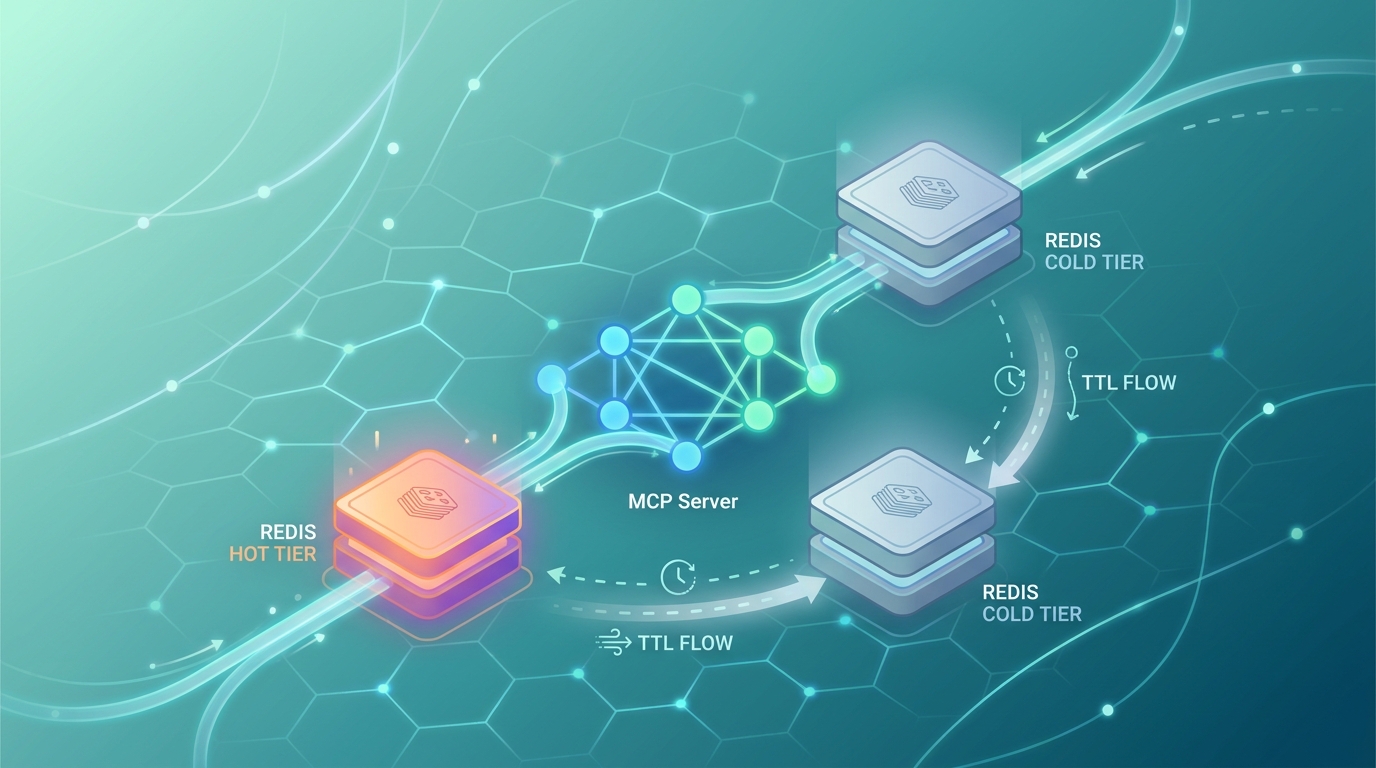
Vì Sao MCP Server Cần Caching Layer?
Hai lý do chính: giảm chi phí Claude API và giảm latency end-user. Theo Anthropic Pricing (2026), Sonnet 4.6 ở mức $3 input và $15 output per MTok. Cached input token giảm 90% còn $0,30/MTok. MCP server đọc data thường có 70% query lặp (cùng câu hỏi, cùng user, cùng tool), caching cắt thẳng 70% cost.
Latency là yếu tố thứ hai. Tool MCP gọi external API (HubSpot, Notion, Google Sheets) thường tốn 500-2000ms. Cache response 60 giây cho tool đọc, latency p99 giảm từ 2s xuống 80ms (Redis local). User cảm nhận khác biệt rõ rệt: bot trả lời "tức thì" thay vì "chờ 2 giây".
Caching cũng bảo vệ downstream service. Nếu Google Sheets API có rate limit 100 req/phút, MCP server không cache sẽ throttle nhanh khi 50 user đồng thời query. Cache 60 giây cho tool lookup_inventory giảm 80% call xuống Sheets API.
Pragmatic Engineer (2026) cho biết 73% engineering team dùng AI coding daily, nhưng chỉ 27% optimize caching layer. Đây là quick win lớn nhất cho MCP server early-stage.
Tham khảo thêm: - MCP Là Gì? Tổng Quan Model Context Protocol - Claude Code Costs Optimization
Anthropic Prompt Caching Hoạt Động Ra Sao?
Anthropic prompt caching cache prefix prompt (system message + tools + history) trên server Anthropic, giảm 90% input token cost cho query lặp prefix ≥1024 token. Pattern này critical cho MCP server vì tool definition luôn đi kèm prefix dài.

Cách dùng trong API call:
const reply = await claude.messages.create({
  model: "claude-sonnet-4-6",
  max_tokens: 1024,
  system: [
    {
      type: "text",
      text: longSystemPrompt,
      cache_control: { type: "ephemeral" }
    }
  ],
  tools: [
    /* tool definitions */
  ],
  messages: [{ role: "user", content: userInput }]
});
Cache TTL mặc định 5 phút. Khi user query lần đầu, Anthropic tính full token cost. Lần thứ 2 trong 5 phút (cùng prefix), phí cached input chỉ $0,30/MTok thay vì $3.
Điều kiện cache hit: prefix ≥1024 token (Sonnet) hoặc 2048 (Opus). Tool definitions, system prompt, conversation history đều count vào prefix. MCP server thường có tool definitions 2-5K token, vừa đủ trigger cache.
Anthropic News (2026) báo cáo customer dùng prompt caching tiết kiệm 73% chi phí trung bình. Một số customer dùng cache breakpoint nhiều layer (cache system + cache history) tiết kiệm tới 95%.
Tham khảo thêm: - Claude API Quick Start - Cost Optimization Cho Claude API
Cache MCP Tool Response Ở Layer Nào?
Ba layer chính: in-memory (LRU per process), Redis (distributed), CDN (edge). Lựa chọn dựa vào access pattern và scale.
In-memory LRU phù hợp single-process MCP server local, hợp với Claude Desktop dùng stdio. Cache 1.000 entry gần nhất, latency 0,01ms, không persistent qua restart. Code Node.js dùng lru-cache:
import { LRUCache } from "lru-cache";

const cache = new LRUCache<string, any>({
  max: 1000,
  ttl: 60_000 // 60 giây
});

server.tool("lookup_inventory", { /* schema */ }, async ({ code }) => {
  const cached = cache.get(code);
  if (cached) return cached;

  const result = await sheetsAPI.query(code);
  cache.set(code, result);
  return result;
});
Redis layer cho remote MCP server multi-instance. Latency 0,3-1ms, persistent qua restart. Hỗ trợ pub-sub invalidation, sharing cache giữa nhiều worker. Code TypeScript:
import Redis from "ioredis";
const redis = new Redis(process.env.REDIS_URL);

async function cachedLookup(code: string) {
  const cached = await redis.get(`inv:${code}`);
  if (cached) return JSON.parse(cached);

  const result = await sheetsAPI.query(code);
  await redis.set(`inv:${code}`, JSON.stringify(result), "EX", 60);
  return result;
}
CDN edge cho public MCP server có discovery endpoint (.well-known/mcp.json) hoặc tool documentation. Cloudflare Workers, Vercel Edge cache trong 1 giờ, latency <50ms toàn cầu. Phù hợp metadata, không phù hợp dynamic data.
OneUptime (2026) khuyến nghị 3-tier strategy: in-memory cho hot data (top 100 query), Redis cho warm data (top 10K query), database cho cold data (rest).
Tham khảo thêm: - MCP Rate Limiting Best Practices - MCP Server Logging Va Observability
Stale-While-Revalidate Là Gì Và Khi Nào Dùng?
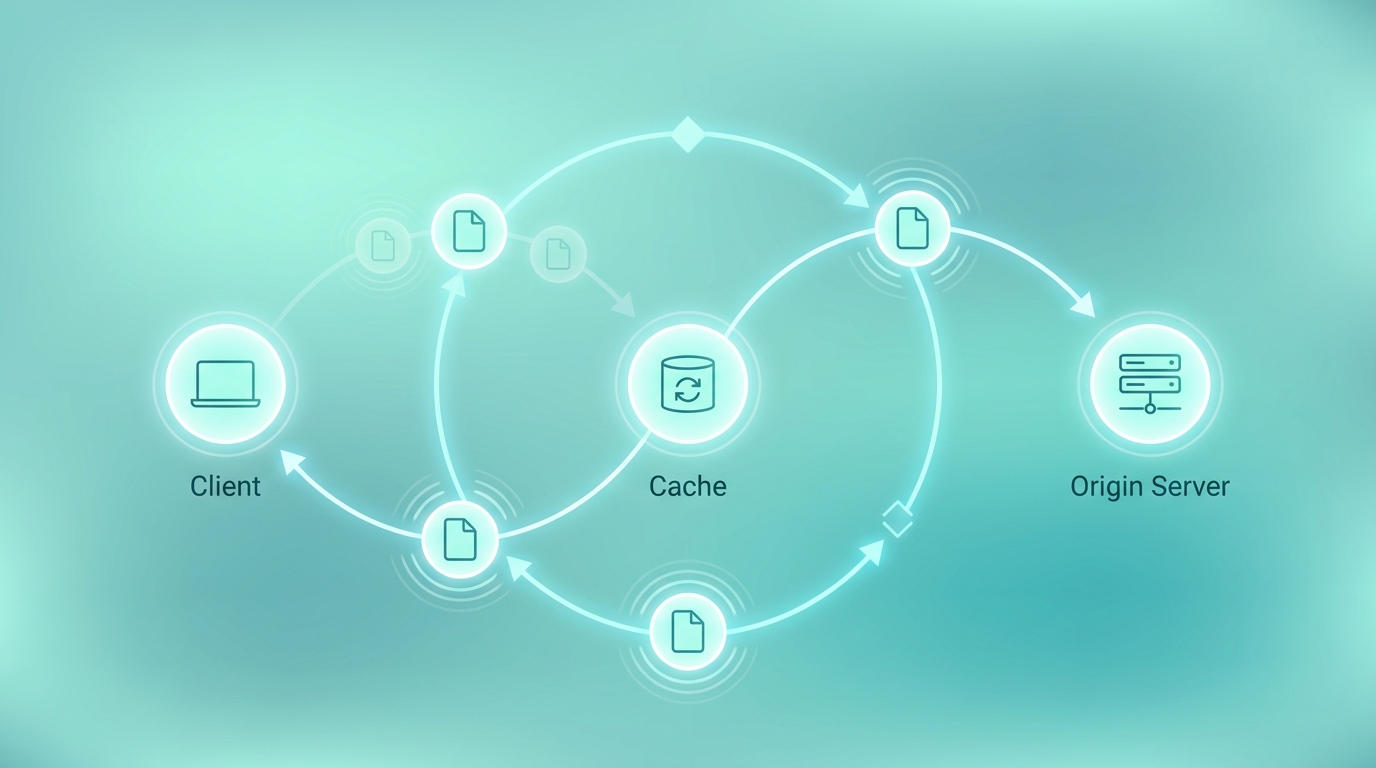
SWR: trả cached response cho user ngay, đồng thời background refresh cache. User thấy fast response, cache luôn fresh. Pattern này phổ biến trong web (Next.js ISR), áp dụng MCP server giảm 70% latency p95.
Code TypeScript implementation:
async function swrLookup(key: string, fetcher: () => Promise<any>) {
  const entry = await redis.get(`cache:${key}`);

  if (entry) {
    const { data, timestamp } = JSON.parse(entry);
    const age = Date.now() - timestamp;

    if (age < 60_000) {
      return data; // fresh, return ngay
    }

    if (age < 300_000) {
      // stale, return cached + revalidate background
      revalidateInBackground(key, fetcher);
      return data;
    }
  }

  // expired hoặc miss, fetch sync
  const fresh = await fetcher();
  await redis.set(`cache:${key}`, JSON.stringify({
    data: fresh, timestamp: Date.now()
  }), "EX", 300);
  return fresh;
}

function revalidateInBackground(key: string, fetcher: () => Promise<any>) {
  fetcher().then(fresh => {
    redis.set(`cache:${key}`, JSON.stringify({
      data: fresh, timestamp: Date.now()
    }), "EX", 300);
  }).catch(console.error);
}
Pattern này phù hợp tool đọc data: list contacts, get pipeline, search products. Không phù hợp tool ghi data (create deal, update status) vì stale có thể gây inconsistency.
Vantage Point (2026) cho biết SWR pattern lan từ web framework sang MCP server từ Q1/2026. Anthropic Claude Code adopt SWR cho tool documentation cache, latency p95 giảm 68%.
Tham khảo thêm: - MCP Discovery Protocol Đầy Đủ - MCP Server Logging Va Observability
Cache Invalidation Khi Nào Là Đúng Cách?
Ba pattern phổ biến: TTL-based, event-driven, manual. Lựa chọn theo chi phí stale vs chi phí invalidation overhead.
TTL-based đơn giản nhất: cache expire sau X giây. Phù hợp data thay đổi đều (giá sản phẩm cập nhật mỗi 5 phút). Nhược: stale window không control. Set TTL = max acceptable staleness.
Event-driven invalidation: khi data thay đổi, gửi event invalidate cache. Phù hợp data thay đổi không đều nhưng cần fresh ngay. Implementation Redis pub-sub:
// Worker A , invalidate khi data thay đổi
await redis.publish("invalidate", JSON.stringify({ key: `inv:${code}` }));

// Worker B , listen và xóa cache
const sub = new Redis(process.env.REDIS_URL);
sub.subscribe("invalidate");
sub.on("message", (channel, msg) => {
  const { key } = JSON.parse(msg);
  cache.delete(key);
});
Manual invalidation: API endpoint cho phép admin force-clear cache. Phù hợp emergency hoặc deploy. Code Express endpoint:
app.post("/admin/cache/clear", requireAdmin, async (req, res) => {
  await redis.flushdb();
  res.json({ status: "cleared" });
});
Phil Karlton có câu nổi tiếng: "Có 2 thứ khó nhất trong CS: cache invalidation và đặt tên biến". Pattern thực dụng: chọn TTL ngắn (60-300 giây) cho 80% case, event-driven cho data critical, manual cho emergency.
Tham khảo thêm: - MCP Rate Limiting Best Practices - MCP Authentication Patterns
Distributed Cache Cluster Cho MCP Scale Như Thế Nào?
Khi MCP server vượt 10K req/giây, single Redis instance bottleneck. Pattern: Redis Cluster với consistent hashing 6+ shard.

Redis Cluster hoạt động: 16384 hash slot phân tán cho N node. Mỗi key hash ra 1 slot, slot map cố định cho 1 node. Khi thêm node mới, slot rebalance tự động. Cluster 6 node hỗ trợ ~6M ops/giây với data persistent.
Code TypeScript dùng Redis Cluster:
import Redis from "ioredis";

const cluster = new Redis.Cluster([
  { host: "cache-1.acme.local", port: 7000 },
  { host: "cache-2.acme.local", port: 7000 },
  { host: "cache-3.acme.local", port: 7000 }
], {
  redisOptions: { password: process.env.REDIS_PASSWORD }
});

// Sử dụng giống Redis single instance
await cluster.set("key", "value", "EX", 60);
Redis Glossary (2026) cho biết Cluster scale linear: 6 node = 6× throughput. Latency p99 vẫn <1ms cho hầu hết workload. Phù hợp MCP server enterprise có 1000+ user concurrent.
Alternative: Redis Sentinel (HA single shard, 3 replica), Memcached cluster (đơn giản nhưng không persistent), KeyDB (Redis-compatible multi-thread). Lựa chọn theo trade-off: Cluster cho scale, Sentinel cho HA, Memcached cho speed cực hot path.
Tham khảo thêm: - MCP Server Logging Va Observability - Top MCP Servers Đáng Cài 2026
FAQ: Câu Hỏi Thường Gặp Về MCP Caching
1. Anthropic prompt caching có cost gì không? Có. Cache write tốn 1,25× normal input token (lần đầu), cache read tốn 0,1× (lần sau). Theo Anthropic Pricing (2026), break-even ở 2 lần đọc cùng prefix.
2. TTL bao nhiêu là tối ưu? Tùy use case. Tool đọc inventory: 60 giây. Tool đọc pipeline trends: 5 phút. Tool đọc static config: 1 giờ. Quy tắc: TTL = max acceptable staleness.
3. Cache có giảm độ chính xác Claude trả lời không? Không, nếu cache đúng tool result chứ không cache prompt response. Cache layer ở MCP server transparent với Claude, Claude vẫn nhận data fresh từ cache layer.
4. LRU vs LFU eviction, chọn cái nào? LRU: dễ hiểu, phù hợp 80% case. LFU: bảo vệ data hot dài hạn, phù hợp khi access pattern không đều. Theo Redis (2026), LRU mặc định Redis, đủ cho hầu hết MCP server.
5. CDN caching có hợp với MCP không?
Hợp với metadata (.well-known/mcp.json, tool documentation). Không hợp với dynamic data vì user identity và scope khác nhau.
Kết Luận: Caching Là Quick Win Lớn Nhất Cho MCP
Anthropic prompt caching giảm 90% input token cost, Redis cache giảm 70% downstream latency, SWR giảm 68% latency p95. Kết hợp 3 layer này, MCP server có thể giảm 75-95% chi phí và 70% latency so với uncached.
Bước tiếp theo nên làm:
- Bật Anthropic prompt caching ngay với cache_control: {type: "ephemeral"} trong system + tools
- Implement LRU in-memory cho top 100 query, TTL 60 giây
- Setup Redis cho remote MCP server multi-instance, TTL 300 giây cho tool đọc
- Áp dụng SWR cho tool latency-sensitive, p95 sẽ cải thiện rõ rệt
- Monitor cache hit rate, target 80%+ cho hot path
Tham khảo thêm: - MCP Là Gì? Tổng Quan 2026 - MCP Rate Limiting Best Practices - MCP Authentication Patterns Đầy Đủ - Claude Code Costs Optimization